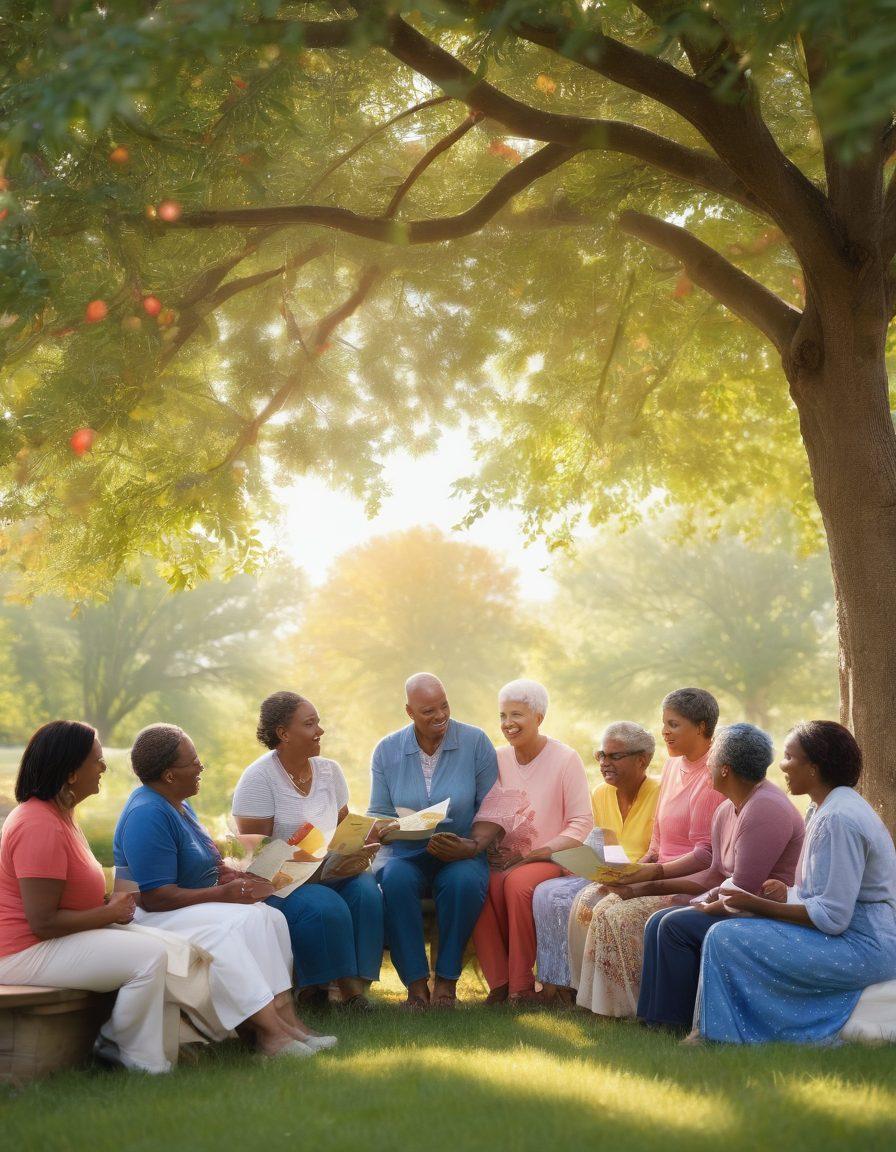
Navigating the Journey: Essential Support and Information for Cancer Survivorship
Navigating life after cancer can often feel like venturing into uncharted waters. As survivors of breast cancer, lung cancer, prostate cancer, or any other type of cancer embark on this new journey, they face a myriad of challenges that can be overwhelming. This is where the importance of cancer survivorship comes into play. It's not just about managing the aftermath of cancer treatment; it's about finding the support, resources, and information necessary to thrive in life beyond the diagnosis. Have you ever thought about how much strength you possess, and how like a phoenix from the ashes, you can rise anew?
The road to recovery is paved with a variety of resources specifically designed for cancer survivors. One of the keys to empowering these brave individuals is understanding their healthcare options. All survivors, regardless of their cancer type, should connect with their healthcare team, which includes an oncologist who can provide tailored advice on medical research, treatment options, and palliative care. It’s essential to ask questions like, "What do I need to monitor in my health moving forward?" or "Are there clinical trials I should consider?" These conversations can guide survivors in making informed decisions about their wellness journey.
The cancer community is rich with stories of resilience and triumph, and personal stories from other survivors can be incredibly empowering. Platforms like health blogs and cancer foundations often highlight these narratives, showcasing how individuals have forged their paths after a diagnosis. By sharing experiences, survivors can find not only inspiration but also a sense of belonging. Inspiration can spark change; have you ever felt uplifted by another's journey? By reading about your peers’ lives after cancer, you may discover new approaches to managing lifestyle changes and nutrition that resonate with you.
Moreover, the importance of cancer awareness cannot be overstated. Engaging in preventive care can help minimize the risk of recurrence. This might mean adopting healthier habits, including nutrition and exercise, as well as regular screenings and check-ups. Survivors should familiarize themselves with the latest cancer research, exploring options such as alternative medicine or immunotherapy, which may bolster their long-term wellness strategy. It prompts the question: What proactive steps will you take to nurture your health moving forward?
Lastly, never underestimate the strength found in patient advocacy and support networks. Whether it's a local cancer support group or online forums, these platforms offer a wealth of information and an invaluable sense of community. Survivors can openly discuss their fears about chemotherapy, radiation therapy, or the emotional toll of their journey. Connection can make all the difference, can't it? By leaning on these resources, cancer survivors can transform their journeys into stories not just of survival, but of thriving and living life to the fullest.
From Diagnosis to Wellness: A Comprehensive Guide for Cancer Survivors
Navigating the journey of cancer survivorship can often feel like traveling a winding road through uncharted territory. From the moment of diagnosis, where fear and uncertainty often loom large, to achieving wellness and a renewed sense of hope, this journey is marked by challenges, courage, and resilience. Imagine for a moment standing on the precipice of a new beginning—a chance to reclaim your life after a cancer diagnosis. This guide seeks to illuminate this pathway for cancer survivors, offering essential support and information that can empower you every step of the way.
Every cancer story is unique, much like the array of cancers themselves—from breast cancer to lung cancer, and prostate cancer. While the diagnosis can feel like a dark cloud hanging overhead, it is crucial to remember that medical research and advancements in oncology are constantly evolving and improving outcomes. A quote that rings true in these moments is, "Healing doesn’t mean the damage never existed. It means the damage no longer controls your life." As you walk this path, it’s vital to connect with your oncologist, to advocate for your health, and to utilize the wealth of resources available through patient support networks and cancer foundations.
The treatment phase, whether it involves chemotherapy, radiation therapy, or immunotherapy, can be an arduous journey filled with side effects and emotional ups and downs. It’s during this time that wellness and palliative care take center stage. Have you ever considered how nutrition plays a role in recovery? Making lifestyle changes and focusing on a balanced diet can significantly bolster your strength. Incorporating alternative medicine and integrating practices such as yoga or meditation can also foster emotional well-being, allowing you to craft a personalized approach to cancer survivorship that resonates with you.
As cancer survivors, sharing personal stories and connecting with the cancer community can be crucial in fostering a sense of belonging. Have you participated in any clinical trials that push the envelope of cancer treatment? Engaging in discussions about cancer awareness not only aids individual understanding but contributes to a larger movement for patient advocacy. Each voice matters in this collective that seeks to inform others about the intricacies of cancer care. With so many individuals contributing to the health blog landscape, there’s a wealth of health information at your fingertips, just waiting to be explored and shared.
As you navigate the exhibits of your life after cancer, remember that every step, every treatment received, and every moment of support received contributes to your story of survival. By empowering yourself through knowledge and reaching out to your cancer support network, you become a beacon of hope for others. In this intricate dance of diagnosis and recovery, let’s move toward wellness together, armed with actionable insights and the determination to live life fully and passionately. After all, the journey doesn’t end with treatment; it’s a new beginning that calls for celebration, connection, and continued advocacy for your health and the health of others.
Community and Care: The Vital Role of Support in Cancer Survivorship
Every day, countless individuals face the daunting journey of cancer survivorship. While the medical aspect, including oncology treatments like chemotherapy, radiation therapy, and immunotherapy, is often the focus, there's an equally important element that deserves our attention: community support. The role of patient support networks is vital not only during treatment but throughout the entire survivorship journey. As we explore the critical nature of community and care, let’s reflect on a powerful quote: "Support is not just a feeling, it's a lifeline." What does that lifeline look like in the context of cancer survivorship?
Navigating cancer is often likened to sailing in uncharted waters; without a trusty crew, the journey can feel overwhelming. The cancer community serves as a reliable crew member, offering insights from personal stories of triumph and resilience. Organizations dedicated to cancer awareness and advocacy, such as cancer foundations, play a pivotal role in connecting survivors with others who share similar experiences. Imagine walking into a room full of individuals who understand your struggles, each sharing tips on nutrition and lifestyle changes that have positively impacted their health. How empowering is that?
The journey does not end once treatment concludes. Cancer survivorship is about thriving, not just surviving. Survivors of breast cancer, lung cancer, and prostate cancer often discover that emotional and psychological support is just as crucial as medical care. Practical support groups offer a safe space for sharing fears and victories, while healthcare professionals—like oncologists—can provide vital health information regarding preventive care and ongoing health assessments. But how do we ensure this support translates into wellness?
In addition to support groups and survivor networks, the role of healthcare navigators cannot be underestimated. These dedicated professionals guide patients through the maze of diagnostics, treatment choices, and clinical trials. They make the often-complicated world of medical research more accessible, sparking hope for new advancements in cancer care. What if we could tap into the knowledge of someone who has walked this road before, offering actionable advice on patient advocacy and available resources?
In this fight against cancer, each survivor's journey matters—your story could ignite hope for another. By engaging with the cancer community and seeking support post-treatment, you develop a robust system of care that enriches your experience. As you reflect on your journey or support a loved one, remember that wellness is a multifaceted endeavor. It involves more than just overcoming cancer; it encompasses a holistic approach that includes emotional support, nutrition, and proactive follow-ups with healthcare teams. So, how can you best leverage community resources on your journey to thriving in survivorship?